The Luck Factor: Understanding Randomness
One of the most prevalent myths surrounding casinos is that winning is fundamentally about luck. While it is true that chance plays a significant role in gambling outcomes, it is essential to recognize that the odds are designed to favor the house. Each game has its own set of rules and probabilities that govern the potential for winning. For instance, players seeking casino fast withdrawal options may find that understanding the mechanics of the games can improve their overall experience and strategy.
Moreover, the belief that certain machines are “due” for a win or that players can predict outcomes based on previous results is misleading. Gamblers often fall into the trap of seeing patterns in random sequences, a psychological phenomenon known as apophenia. This tendency can lead players to make irrational decisions based on the false hope of a forthcoming win, emphasizing the importance of understanding the probabilities associated with each game rather than relying on luck alone.
In conclusion, while luck is undeniably a part of gambling, players should focus on the fundamental principles of each game and the statistical probabilities that underlie them. Knowledge of how games work, combined with awareness of the odds, is a far more effective strategy than simply waiting for luck to change, leading to a more informed and potentially rewarding gaming experience.
The Myth of “Hot” and “Cold” Streaks
Another common belief among casino-goers is the idea that certain tables or machines experience “hot” or “cold” streaks. This myth suggests that players can capitalize on these trends to increase their chances of winning. However, this concept is rooted in misunderstanding probability and randomness. Each gaming session operates independently, meaning that past performance does not influence future results. For instance, just because a particular slot machine hasn’t paid out recently does not mean it is “due” for a win.
The phenomenon of hot and cold streaks can be especially misleading in table games like blackjack or roulette. Players may believe that if a certain number has not come up in several spins, it is more likely to show up next; this is known as the gambler’s fallacy. In reality, the odds remain constant regardless of previous outcomes. Casino games are designed to ensure that random events remain unpredictable, disallowing the possibility of trends based on previous rolls or spins.
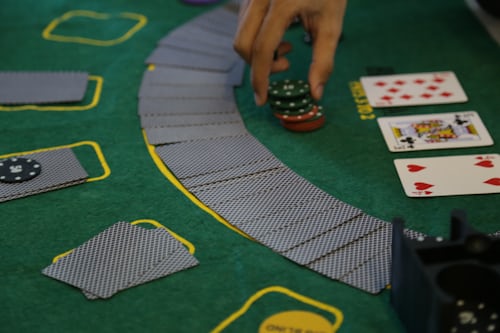
Ultimately, while it can be tempting to chase after perceived streaks, doing so can lead to misguided betting strategies and poor decision-making. Players are far better off treating each game and session as an isolated event, approaching their play with a clear understanding of the odds and probabilities, rather than being swayed by the allure of mythical streaks that simply do not exist.
The Illusion of Betting Strategies
Many players enter a casino with the belief that having a solid betting strategy can significantly enhance their chances of winning. While certain strategies can help manage a player’s bankroll more effectively, it’s crucial to remember that they do not change the inherent odds of the games. For instance, the Martingale strategy, where players double their bet after every loss, is often touted as a surefire way to recover losses, but it can lead to substantial bankroll depletion and does not alter the long-term outcome.
Furthermore, some players believe that betting systems can shift the odds in their favor, but the reality is that these systems only give the illusion of control. Each game is governed by mathematical probabilities that are unaffected by previous bets or outcomes. Understanding this can help players avoid falling into the trap of believing they can outsmart the system through strategy alone, which can lead to irresponsible gambling behavior.
In essence, while crafting a betting strategy can provide a framework for managing funds and making decisions, players should recognize that the underlying mechanics of casino games remain the same regardless of the strategies employed. The focus should remain on responsible gaming and enjoyment rather than relying on the misconception that strategies can alter the odds of winning.
The House Always Wins: An Unchangeable Rule
The phrase “the house always wins” is often cited as a warning to gamblers, and it’s rooted in truth. Casinos are designed to operate with a built-in advantage, ensuring that over time, they make a profit regardless of individual player outcomes. This built-in edge varies from game to game; for instance, the house edge in blackjack is significantly lower than in roulette. Understanding this concept is vital for players who wish to approach their gaming experience with a realistic mindset.

Many players may believe that they can overcome this house edge through skill or strategy, particularly in games like poker or blackjack, where player decisions can impact outcomes. However, while skill can enhance a player’s long-term winning potential, it cannot eliminate the house edge in straight casino games. This means that even the most skilled players will face losses over time, reinforcing the importance of playing for fun rather than as a reliable source of income.
Thus, recognizing that the casino’s advantage is an intrinsic part of the gaming experience can help players set realistic expectations. Approaching gambling as a form of entertainment rather than a way to make money ensures a more enjoyable experience and minimizes the risk of financial hardship, reminding players that the primary purpose of visiting a casino is to have fun.
Understanding Gambling: The Role of Education
For those seeking to navigate the complex world of casinos, education plays an essential role in dispelling the various myths that surround gambling. Understanding the mechanics of the games, the house edge, and the concept of odds can empower players to make informed decisions. Knowledge is a powerful tool that can lead to a more enjoyable and potentially successful gaming experience.
Many resources are available for players to educate themselves about different casino games and strategies. Online platforms, forums, and guides can offer valuable insights into game mechanics and betting strategies, fostering an environment where players feel more confident in their decisions. Additionally, some casinos even provide training sessions or workshops for players to learn the ropes before engaging in real money play, highlighting the importance of foundational knowledge.
Ultimately, education in gambling serves to enhance the player experience by demystifying the various myths and misconceptions associated with winning. By fostering a more informed player base, casinos can promote responsible gaming and ensure that visitors have a clear understanding of the realities of gambling, encouraging a culture of enjoyment rather than one of unrealistic expectations.